

 (0)
(0)

 Dispensary
 Learn
Learn
 Signup / Login
 Add Your Business
Top CBD wellness tips for relaxation and health in Miami
Discover essential CBD wellness tips for relaxation and health in Miami. Learn safe dosing, real results, and enhance your wellness routine!
CBD legality in Miami: What residents need to know
Discover the essential details on CBD legality in Miami. Learn the rules, THC limits, and packaging requirements to stay informed and compliant.
How Miami Weed Delivery Works – Step-by-Step Guide
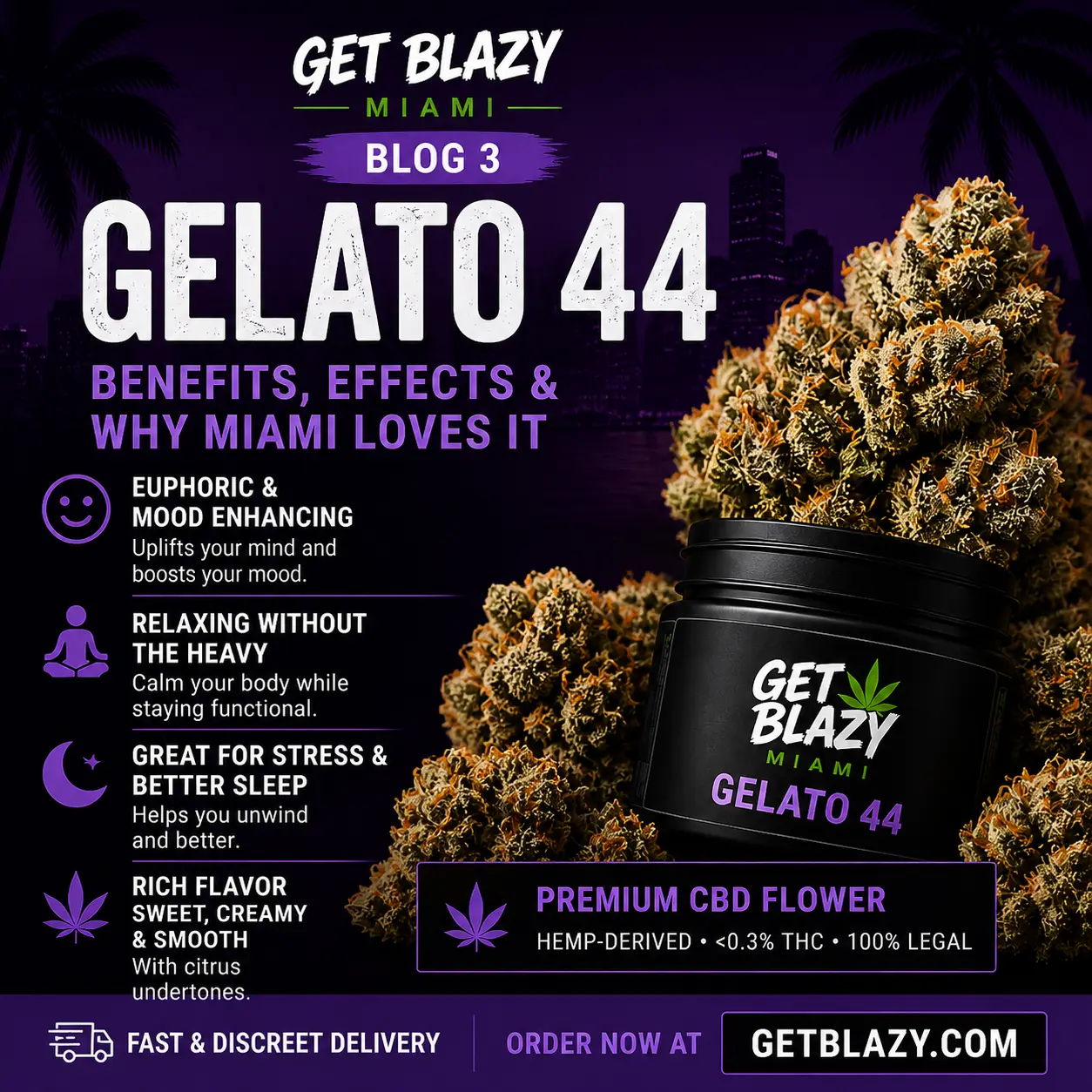
Gelato 44 – Benefits, Effects & Why Miami Loves It Discover Gelato 44, one of […]
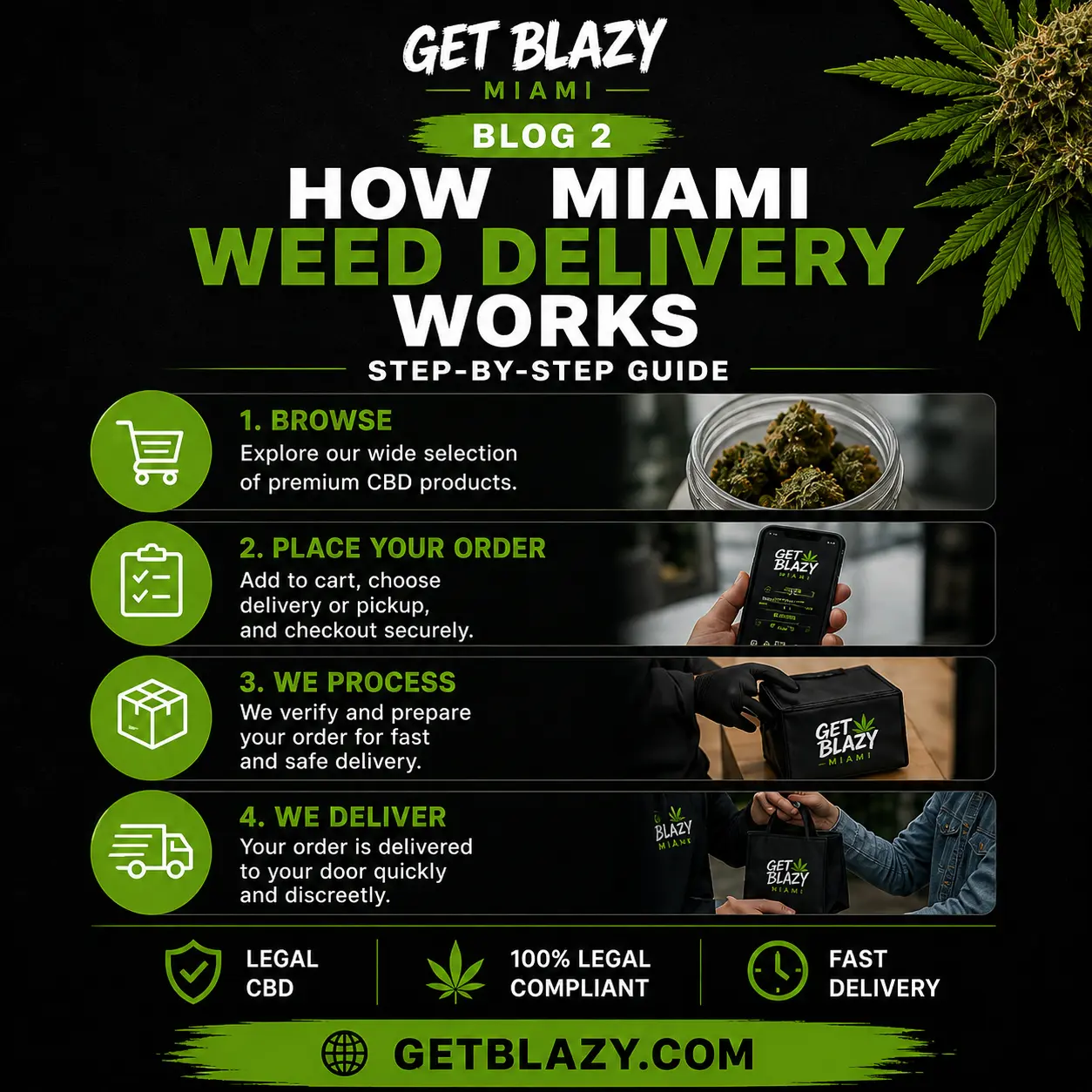
How Miami Weed Delivery Works – Step-by-Step Guide
Learn how Miami weed delivery works, from ordering to doorstep delivery. Discover safe and legal […]
Miami Weed Delivery – Fast, Legal & Reliable Service in 2026
Miami Weed Delivery You Can Trust Miami weed delivery has become one of the fastest-growing […]
CBD compliance guide for retailers and entrepreneurs
Discover what is CBD compliance and how it impacts your retail success. Navigate the complexities of regulations to protect your business.
Top premium CBD oils for wellness and lab-tested quality
Discover trusted examples of premium CBD oils for wellness. Learn how to choose the best lab-tested products for your relaxation needs.
Smart CBD tips for Miami wellness seekers
Discover essential CBD usage tips for Miami wellness seekers. Navigate local laws and choose safe, effective products for your needs!
How terpenes boost CBD wellness and relaxation
Discover the role of terpenes in CBD and how they enhance wellness and relaxation. Unlock the full potential of your CBD experience!
How to decarb weed for maximum relaxation and wellness
Unlock the therapeutic benefits of cannabis! Learn how to decarb weed safely for maximum relaxation and wellness in Miami.
Real-world CBD uses for wellness and relaxation
TL;DR:
- CBD interacts with the endocannabinoid and serotonin systems, but results vary per individual.
- Quality products with verified lab testing and realistic claims are essential for safe use.
- Evidence supports CBD for anxiety, sleep, and skin, but not as a cure-all or pain reliever.
CBD is everywhere in Miami, from the juice bars on Wynwood walls to the wellness shops lining Biscayne Blvd, yet most people still can’t answer a simple question: what does it actually do? The hype is real, but so is the confusion. Sorting fact from marketing spin is harder than it should be, especially when every brand claims their product will transform your life. This article cuts through that noise with evidence-based examples, practical tips, and honest caveats so you can make smarter choices about CBD for your own wellness routine.
Table of Contents
- How to evaluate CBD uses: What actually works?
- CBD for anxiety and everyday stress relief
- CBD for sleep: Fact vs. fiction
- CBD in pain management and recovery
- Specialty examples: CBD for epilepsy, skin, and emerging uses
- The uncomfortable truth: What wellness fans in Miami need to know about CBD
- Ready to explore safe, high-quality CBD? Start with trusted options
- Frequently asked questions
Key Takeaways
| Point | Details |
|---|---|
| Evidence-based uses | Anxiety and epilepsy are the most strongly supported examples of CBD benefits. |
| Sleep and recovery | CBD may help with sleep and post-exercise soreness, but responses vary by individual. |
| Mind the risks | Potential side effects, drug interactions, and purity issues mean you should always purchase from reputable sources. |
| Wellness claims vs. science | Most general wellness uses are overhyped; always check the latest evidence before starting CBD. |
| Smart shopping | Look for third-party tested products and start with a low dose until you know how CBD affects you. |
How to evaluate CBD uses: What actually works?
Before diving into specific examples, it’s vital to know how to separate proven uses from marketing claims. CBD (cannabidiol) is a compound derived from hemp, and while research is genuinely promising in several areas, it’s also surrounded by exaggerated promises that outpace the science.
The most honest starting point is understanding what the research actually says. CBD modulates the endocannabinoid system and interacts indirectly with CB1 and CB2 receptors, while also influencing serotonin 5-HT1A receptors tied to anxiety and relaxation. That’s a real mechanism. However, translating that biology into guaranteed outcomes for every individual is a stretch most credible researchers won’t make.
Health agencies like the CDC emphasize that while wellness communities actively promote CBD for calm and recovery, large-scale randomized controlled trials (RCTs) remain limited. That gap between enthusiasm and evidence is exactly where you need to stay informed.
Here’s what to look for when evaluating any CBD product or claim:
- Certificate of Analysis (COA): A third-party lab report confirming cannabinoid content and absence of contaminants. No COA, no purchase.
- Dosage transparency: Products with vague dosing labels are a red flag.
- Realistic claims: No legitimate CBD product can legally claim to cure or treat any medical condition.
- Population cautions: CBD is not recommended for pregnant individuals, children, or those on immunosuppressive therapy without physician guidance.
- Drug interactions: CBD affects liver enzymes that process many common medications.
“Understanding CBD’s mechanism is useful, but it doesn’t guarantee a specific outcome for you personally. Start with verified products, realistic expectations, and medical guidance if you have existing health conditions.”
Pro Tip: Always request or download the COA before buying any CBD product. Reputable Miami shops and online retailers will make this document available without you having to ask twice.
CBD for anxiety and everyday stress relief
With the basics covered, let’s look at anxiety and stress relief, one of the most popular reasons people in Miami consider CBD. Whether it’s work pressure, traffic on I-95, or the overstimulation of city life, stress is a daily reality here.
Research is genuinely encouraging in this area. CBD’s interaction with serotonin receptors is one of the primary ways it may reduce feelings of anxiety, making it a pharmacologically plausible option. Small-scale clinical trials have found a large effect size (Hedges g of 0.92) for CBD in anxiety reduction, which is statistically significant even if the sample sizes remain modest.
That’s promising. Still, it doesn’t mean CBD works uniformly for everyone.
Forms and timing that Miami wellness users commonly prefer:
- CBD oils and tinctures: Fast-acting when taken sublingually (under the tongue), typically felt within 15 to 45 minutes. Good for situational anxiety before a meeting or social event.
- CBD gummies and edibles: Slower onset (45 to 90 minutes) but longer-lasting effects, preferred for sustained daily calm.
- CBD vape cartridges: Fastest absorption through the lungs, often used for acute stress, though long-term inhalation risks should be considered.
- CBD capsules: Consistent dosing, better for building a routine over weeks.
What studies suggest about effectiveness and limitations:
Even with positive signals, most researchers stress that evidence for anxiety comes from small trials. CBD is not a replacement for therapy, medication prescribed by a physician, or lifestyle modifications. It may be a complementary tool, but “complementary” is doing heavy lifting in that sentence.
Pro Tip: Keep a simple journal when starting CBD for stress. Note your dose, timing, form, and how you felt two hours later. After two weeks, you’ll have actual data instead of guesses to guide your routine.
CBD for sleep: Fact vs. fiction
Another common use is strengthening sleep routines, which matters in Miami’s fast-paced scene. Between late nights, shift workers, and the relentless pace of hospitality and entertainment industries here, sleep problems are widespread.
Some evidence suggests CBD may help people fall asleep and stay asleep, particularly when combined with CBN (cannabinol), another minor cannabinoid that has its own sedative properties. That said, the science is clear that the hype often exceeds what the data can support.
Here’s a practical comparison of CBD versus CBD combined with CBN for sleep:
| Feature | CBD alone | CBD with CBN |
|---|---|---|
| Evidence level | Moderate (small RCTs) | Emerging (limited trials) |
| Onset time | 30 to 90 minutes | Similar |
| Primary effect | Reduces anxiety that disrupts sleep | May have additional sedative effect |
| Risk of dependency | Low | Low |
| Best timing | 30 to 60 minutes before bed | 30 to 60 minutes before bed |
| Common forms | Tinctures, gummies | Specialty gummies, tinctures |
What Miami wellness users report:
- Many prefer CBD gummies taken 45 minutes before sleep as part of a wind-down ritual.
- People working night shifts or irregular hours often find tinctures more flexible for timing.
- Some combine CBD with magnesium or melatonin, though this should be discussed with a healthcare provider.
One honest caution: for some people, the effect may be partly placebo. That’s not a dismissal. Placebo effects are real and meaningful. But if you’re investing in sleep support, knowing the difference between a genuine pharmacological effect and a calming ritual helps you set realistic expectations.
Pro Tip: Don’t take CBD for the first time the night before something important. Test your individual response on a low-stakes evening so you know how your body reacts.
CBD in pain management and recovery
Beyond the mind, many turn to CBD for muscle and physical recovery. Let’s see what the data and Miami locals say works best.
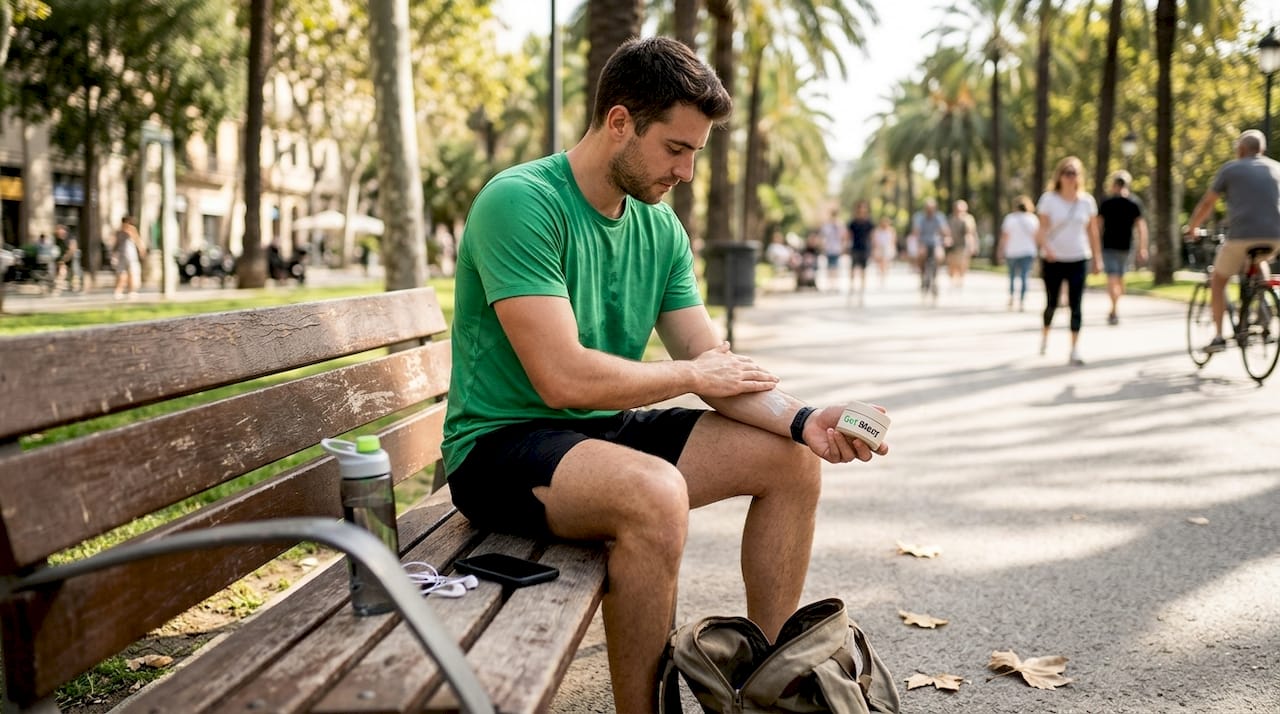
Miami’s lifestyle includes beach volleyball, paddleboarding, running in Bayfront Park, and intense gym culture. Muscle soreness and physical recovery are everyday concerns. CBD topicals and oils have developed a loyal following in this space, even as the clinical trial results remain mixed.
Surveys show up to 46% of CBD users report improvement in pain, but this self-reported data contrasts with RCT results. For example, CBD at 400mg showed no acute low back pain relief in controlled trials, though there is some evidence suggesting it may help reduce opioid dependence as part of broader pain management.
Step-by-step guide for using CBD in physical recovery:
- Identify the pain type. Topicals work best for localized muscle soreness. Oils or edibles may be better for widespread discomfort.
- Choose the right form. Creams and roll-ons for targeted areas; tinctures or capsules for systemic effects.
- Apply topicals directly to sore muscles after activity, massaging gently for 30 to 60 seconds.
- Dose consistently. Effects build over time with regular use more than with single-use applications.
- Track your results. Note whether soreness resolves faster than usual compared to rest or other recovery methods.
| Form | Best for | Onset | Duration | Notes |
|---|---|---|---|---|
| Topical cream | Localized soreness, sun-exposed skin | 15 to 30 min | 2 to 4 hours | Minimal systemic absorption |
| CBD oil (oral) | Full-body recovery | 30 to 60 min | 4 to 6 hours | Check for drug interactions |
| CBD gummies | Post-workout routine | 45 to 90 min | 4 to 8 hours | Consistent dosing |
“CBD may offer modest relief for some types of discomfort, but it is not a replacement for medical evaluation of chronic or severe pain. Treat it as a complementary tool, not a cure.” This is the consistently measured position from researchers reviewing the current evidence base.
Specialty examples: CBD for epilepsy, skin, and emerging uses
Beyond routine wellness, some of the most powerful (and misunderstood) uses for CBD are highly specialized. This is where the science gets genuinely impressive but also where the most caution is required.
The most evidence-backed medical use for CBD is epilepsy. FDA-approved Epidiolex, a purified CBD medication, reduces seizures by 41% in patients with pharmacoresistant epilepsy, compared to just 18% with placebo. That’s a dramatic, clinically verified result. It also requires a prescription and physician oversight. This is not a case for buying gummies and hoping for the best.
For skin wellness, early data shows modest reductions in pruritus (itchiness) and inflammation with topical CBD, though this research is still developing. Miami’s heat, humidity, and sun exposure create real skin challenges, and some dermatologists are beginning to explore CBD-infused topicals as part of broader skin care approaches.
Other emerging and rarely discussed uses worth knowing:
- Nausea reduction: Some evidence exists, particularly for chemotherapy-related nausea, though THC-containing products are more studied here.
- Inflammation regulation: CBD may modulate inflammatory markers, relevant for autoimmune-adjacent wellness concerns.
- Acne-prone skin: Early in vitro (lab cell) research suggests CBD may reduce sebum production, though human trials are sparse.
- Post-traumatic stress: Small-scale studies show potential for reducing PTSD-related nightmares, largely related to CBD’s effect on the stress response system.
- Cardiovascular wellness: Very preliminary data suggests CBD may support healthy blood pressure responses to stress, but this is far from confirmed.
None of these uses should be approached without understanding that the science is early stage. The epilepsy example stands apart precisely because it has gone through rigorous clinical trials. For everything else, maintain a cautious, informed, and monitored approach.
The uncomfortable truth: What wellness fans in Miami need to know about CBD
After exploring these examples, let’s step back and get brutally honest about CBD’s reputation in Miami’s wellness circles. The city has embraced CBD with extraordinary enthusiasm, and we understand why. But enthusiasm and efficacy are different things.
Here’s what we’ve seen repeatedly: people start CBD with sky-high expectations, use it inconsistently, buy low-quality products without COAs, and then either swear by it or dismiss it entirely based on an incomplete experience. Neither outcome is based on a real test of what CBD can actually do.
The science is genuinely promising for anxiety, sleep support, and some skin applications. It’s unclear for most pain uses. It’s established, but prescription-only, for epilepsy. That’s the honest map. Fitting CBD into your wellness routine means matching your expectation to that map, not to an Instagram post.
The CDC flags specific risks that Miami wellness communities often overlook: CBD should be avoided during pregnancy, in children, and in immunosuppressed individuals. For anyone taking CBD at higher doses or over long periods, monitoring liver function through regular bloodwork is medically recommended.
Drug interactions are real and underreported. If you take blood thinners, antidepressants, or any medication processed by your liver, talk to a doctor before starting CBD. This isn’t a warning to scare you off. It’s the same advice you’d get for adding any active compound to your daily routine.
We also want to be direct about one more thing: the Miami CBD market, like every CBD market, contains products of wildly varying quality. A label that says “CBD” tells you almost nothing. The COA tells you everything. Prioritize brands that publish third-party lab results openly and don’t make medical claims they can’t back up.
Pro Tip: Ask your dispensary for COAs and medical guidance if you’re using CBD for anything beyond basic relaxation. Any reputable source will welcome that question.
Ready to explore safe, high-quality CBD? Start with trusted options
If you’re curious to try verified, lab-tested CBD for your own wellness routine, here’s an easy place to start.
At Get Blazy CBD Dispensary, we carry a curated selection of premium hemp-derived products including tinctures, gummies, vape cartridges, topical creams, and oils, all sourced from reputable manufacturers and lab-tested for purity and compliance. Located on Biscayne Blvd in Miami, we make it easy to get knowledgeable, honest guidance in person or order online for fast, discreet delivery across Miami. Whether you’re exploring CBD for stress, sleep, or post-workout recovery, we’ll help you find the right product at the right dose without the guesswork. Shop with confidence knowing every product on our shelves meets a real quality standard.
Frequently asked questions
Is CBD legal to use in Miami, Florida?
Yes, hemp-derived CBD is legal for adults throughout Florida, but always purchase from a reputable, licensed source and verify that products contain less than 0.3% THC to comply with federal guidelines.
What is the best CBD dose for everyday relaxation?
Starting with a low dose of 5 to 10mg daily is recommended for most adults, and you should adjust gradually based on your body’s response. Guidance from health authorities suggests healthy adults stay within conservative daily limits to minimize risk.
Does CBD interact with medications?
Yes, CBD inhibits CYP2C19 and CYP3A4 enzymes in the liver, which can increase or decrease the potency of medications that rely on those pathways. Always consult a pharmacist or physician before combining CBD with prescription drugs.
Are there side effects of CBD?
Common side effects include drowsiness, diarrhea, changes in appetite, and elevated liver enzymes with high or long-term doses. It should be avoided by pregnant individuals, children, and those on immunosuppressive medications.
Can CBD help with pain after workouts or Miami activities?
Some users report faster recovery and reduced soreness, but clinical trials show mixed results and no proven acute pain relief. Topicals may offer localized comfort while oral forms may support a broader recovery routine when used consistently.
Recommended
Categories
Latest Post
-
CBD legality in Miami: What residents need to know
May 05, 2026
-
How Miami Weed Delivery Works – Step-by-Step Guide
May 05, 2026
-
How Miami Weed Delivery Works – Step-by-Step Guide
May 05, 2026
Whats up With Us?
Subscribe now and be updated on what's going on with
Blazy Weed, and how we are helping businesses today!

 Sign in with Google